Serenity Rejuvenation Center
Sun Damage Treatment in Bellevue
Seattle may not be known for endless sunshine, but even cloudy days can expose your skin to harmful UV rays that cause premature aging, fine lines, and dark spots. Over time, this exposure leads to sun damage, uneven pigmentation, dullness, and rough texture that no cream can fully fix.
At Serenity Rejuvenation Center, led by Dr. Stephen O’Connell, we specialize in restoring your skin’s youthful glow through PicoSure laser technology, the most advanced, non-invasive treatment for reversing sun damage and pigmentation.
Book your consultation today and discover how PicoSure can rejuvenate your skin safely, effectively, and with minimal downtime at our Bellevue office.
What Is Sun Damage?
Even those living in the Pacific Northwest are not immune. Up to 80% of UV rays can penetrate clouds, meaning long-term skin damage can occur year-round, not just in summer.
Common Signs of Sun Damage

How Sun Damage Develops
Each time your skin is exposed to the sun, it produces melanin as a defense mechanism. While melanin gives you a tan, it can also form patchy dark spots when melanin accumulates unevenly.

Repeated UV exposure also:
Breaks down collagen and elastin, leading to sagging and wrinkles.
Damages DNA in skin cells, accelerating visible aging.
Inflames skin tissue, causing redness and irritation.
Prevention: Protecting Your Skin from UV Damage
Dr. Stephen O’Connell recommends these dermatologist-approved habits for Seattle residents:

Daily SPF
Use a broad-spectrum SPF 30+ every day, even on cloudy days.
Reapply Frequently
Every two hours outdoors or after swimming/sweating.
Avoid Peak Sun Hours
UV rays are strongest between 10 a.m. and 4 p.m.
Wear Protective Gear
Wide-brimmed hats, sunglasses, and UV-filtering clothing.
Antioxidant Skincare
Serums with Vitamin C and E can neutralize free radicals from sun exposure.
When paired with PicoSure laser therapy, these practices can help maintain luminous, even skin for years to come.
The Power of PicoSure: Your Best Option for Sun Damage Treatment
The PicoSure laser, however, uses ultra-short picosecond pulses to safely shatter pigment clusters and rejuvenate the skin without heat. It’s FDA-cleared for treating pigmented lesions, sunspots, and wrinkles, making it a leading technology for modern skin renewal.

How PicoSure Works
PicoSure delivers pulses of energy so rapid they create a photoacoustic effect, breaking down pigment into microscopic particles while sparing surrounding skin. Your body naturally clears the fragmented pigment through lymphatic drainage over the next few weeks.
Unlike IPL, which relies on heat (photothermal energy), PicoSure uses pressure waves to achieve results leading to faster recovery and virtually no risk of burns or scarring.
PicoSure Treatment Process at Serenity Rejuvenation Center

Consultation & Skin Evaluation
Dr. O’Connell begins by assessing your sun damage severity, skin type, and tone. Using advanced diagnostic tools, he identifies pigment depth and vascular changes to design the ideal PicoSure protocol.
Treatment Session
During treatment, the PicoSure handpiece is moved across your face, chest, or hands (common areas for sun damage). Each pulse delivers targeted energy that feels like gentle snaps on the skin.
Most sessions last 20–30 minutes, and no anesthesia is needed.
Recovery
After treatment, you may experience slight redness or warmth, which subsides within a few hours. You can return to work or daily activities the same day.
Patients often describe their skin as smoother, brighter, and more even just a few days post-treatment.
Results
Visible improvement typically appears after 1–2 sessions, with optimal results achieved after 3–6 sessions, spaced four weeks apart. Over time, collagen remodeling further enhances skin tone and texture.
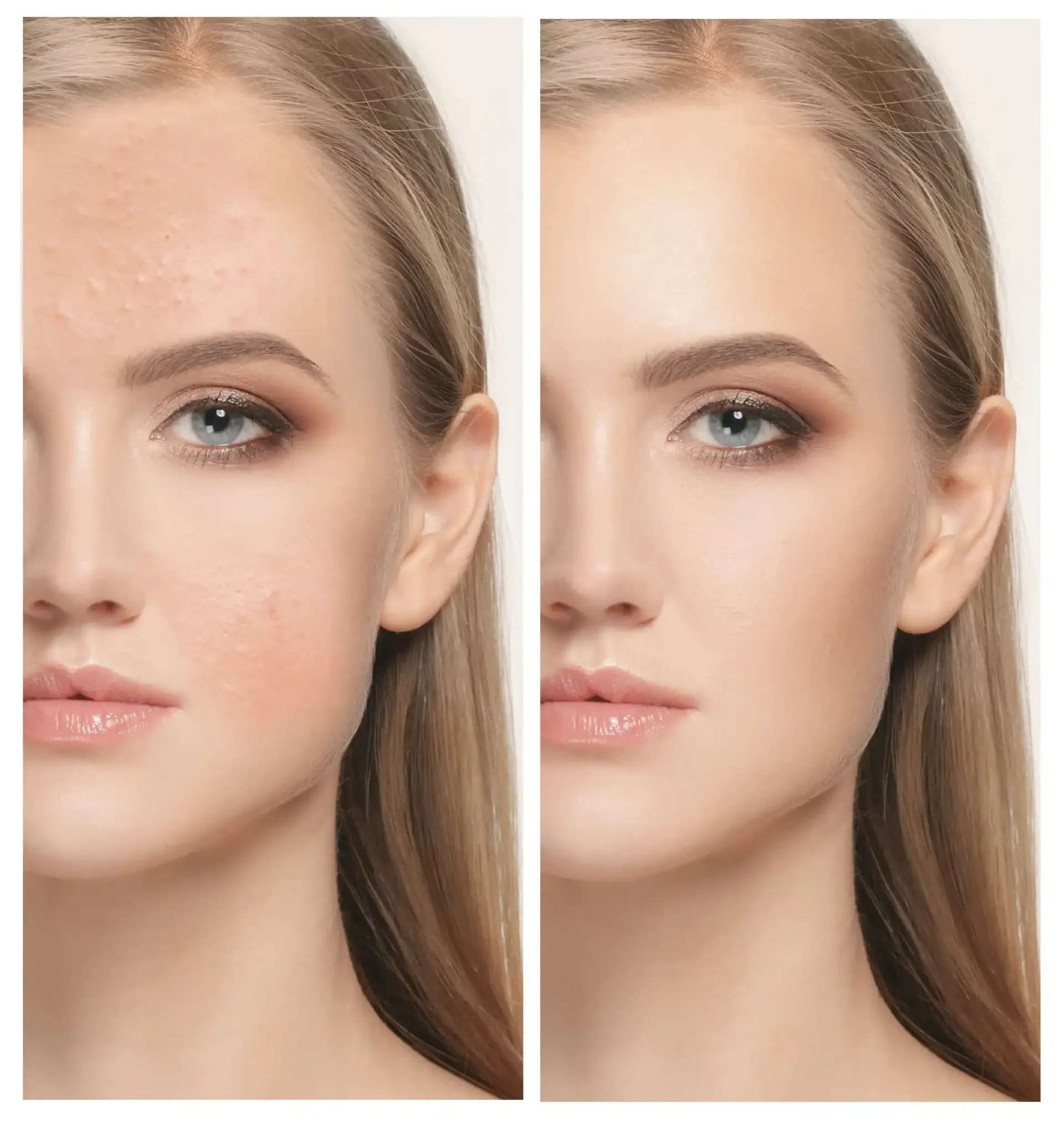
Before and After: Real Results


These transformations show how PicoSure safely erases sunspots, fine lines, and dullness, revealing a rejuvenated complexion.
Why PicoSure Outperforms IPL for Sun Damage
| Feature | PicoSure Laser | IPL (Intense Pulsed Light) |
| Technology | Pressure-based picosecond laser | Heat-based broad-spectrum light |
| Safety | Safe for all skin tones | Risk of burns, especially on darker skin |
| Downtime | Minimal to none | Up to 1 week of redness or peeling |
| Precision | Targets individual pigment particles | Less targeted; affects larger areas |
| Results | Long-term pigment clearance | Often temporary fading or recurrence |
Unlike IPL, PicoSure stimulates collagen production while clearing pigment, giving skin a smoother, firmer texture in addition to fading dark spots.
Recovery and Aftercare
Apply SPF 50+ sunscreen daily
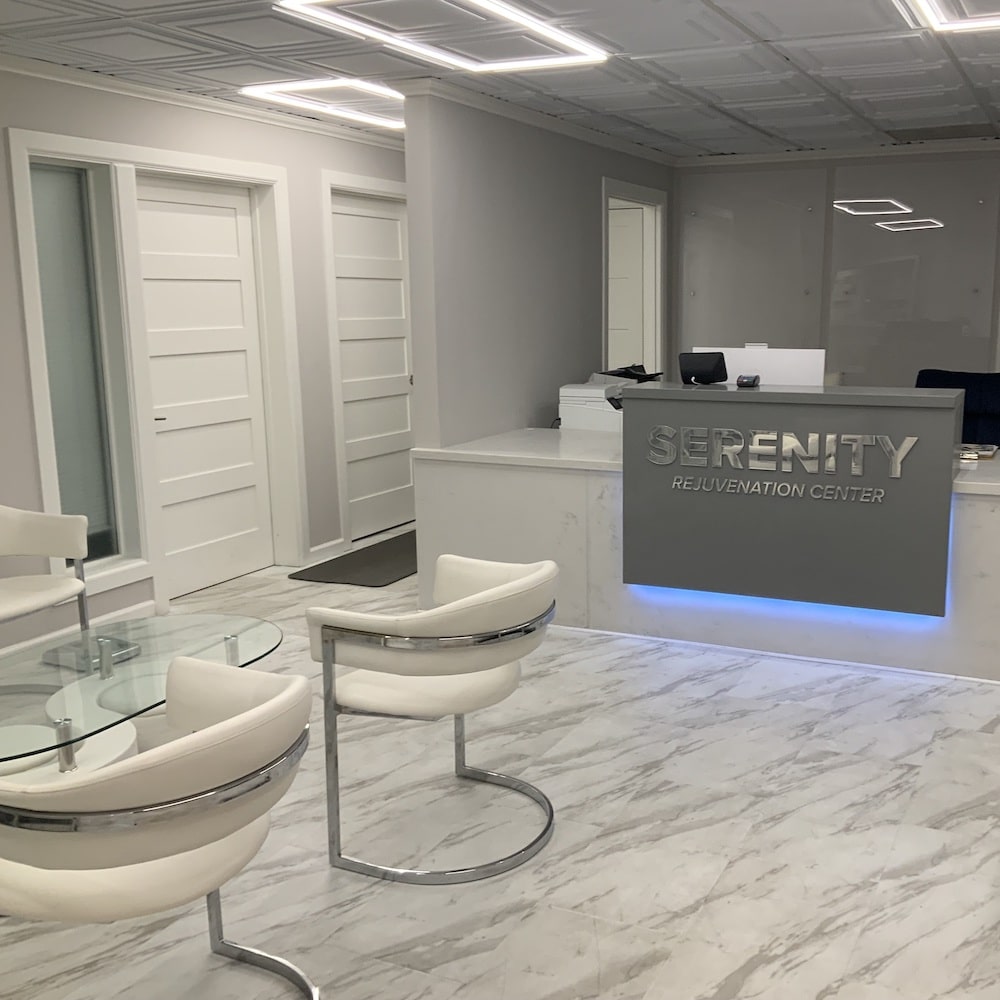
Why Choose Serenity Rejuvenation Center
Experienced Provider
Dr. Stephen O’Connell is among Seattle’s top PicoSure specialists, known for his safe, results-driven approach to pigmentation and skin rejuvenation.
Cutting-Edge Technology
Serenity is one of the few Seattle-area clinics offering PicoSure’s full pigment and rejuvenation capabilities, not just tattoo removal.
Personalized Care
Every treatment is customized to your skin tone, sun exposure history, and aesthetic goals.
Conveniently Located
Serving Seattle, Bellevue, Redmond, Kirkland, and surrounding metro suburbs.
Holistic Skin Health
Combine PicoSure with medical-grade skincare and antioxidant therapy for comprehensive sun protection and long-term glow.
FAQs About PicoSure Sun Damage Treatment
Who performs my treatment?
Dr. O’Connell personally performs every PicoSure treatment. He has treated pigment with PicoSure since 2014 and is a Cynosure Luminary provider.
Why does experience matter with sun damage?
Sun damage is rarely the only pigment on the skin. Many patients have melasma hiding beneath their sunspots, and the two call for opposite strategies: sun damage often tolerates a more assertive approach and clears quickly, while melasma needs a gentle hand. Dr. O’Connell individualizes every session, adjusting spot size, energy, standard or fractionated (Focus) delivery, the fractional pattern, and the number of passes – usually a combination of all of them. That judgment, refined over more than a decade of PicoSure treatments, is the difference experience makes.
How many sessions are needed?
Most patients average about 3 treatments, spaced 4–6 weeks apart, and many notice brightening after the first. Periodic maintenance keeps new spots in check.
Are sunspots removed permanently?
Treated spots clear, but new ones can form with continued sun exposure. Daily SPF protects your results.
Does it hurt?
Most patients describe a light snapping sensation and need no numbing. Topical numbing and Zimmer cooling are available for comfort.
Is it safe for darker skin tones?
Yes, with conservative, customized settings. Darker skin is more prone to rebound pigment, so careful technique and aftercare matter even more.
Is there downtime?
Treated spots may darken and lightly flake for about a week as they clear. Most patients return to normal activities right away and can wear makeup the next day.
What aftercare do you recommend?
Daily SPF and a gentle home regimen, such as Restoration Biophysics, protect your results and help prevent new spots.
How do you track progress?
We take before-and-after photos at every visit and review them with you. See our PicoSure gallery.
How does PicoSure compare to chemical peels?
Peels exfoliate the surface. PicoSure targets pigment more precisely and can reach deeper spots.
What does it cost?
A $150 consultation is credited toward your treatment. Text us at 425-644-5560.
Your Journey to Healthier, Brighter Skin Starts Here
Don’t let sun damage dull your confidence. At Serenity Rejuvenation Center, Dr. Stephen O’Connell offers PicoSure laser treatment as the most advanced and gentle way to reverse UV damage and restore luminous, youthful skin. Conveniently located for patients in Seattle, Bellevue, Redmond, Kirkland, and surrounding areas.
📞 Text 425-644-5560 or Book Online to schedule your consultation today.
About Dr. O’Connell
Dr. Stephen O’Connell has practiced medicine since 2004. He founded Serenity Rejuvenation Center in Bellevue in 2010.