Serenity Rejuvenation Center
Melasma Treatment in Bellevue
Fade Melasma Safely and Effectively with PicoSure Laser at Serenity Rejuvenation Center
If stubborn brown or grayish patches have appeared across your cheeks, forehead, or upper lip, you’re not alone. Melasma affects thousands of men and women across the Seattle metro area, often triggered by hormones, sun exposure, or genetics. At Serenity Rejuvenation Center, led by Dr. Stephen O’Connell, we offer a breakthrough solution: PicoSure laser treatment for melasma a gentle, precise, and scientifically proven method to restore clear, even-toned skin.
Book your consultation today to learn how PicoSure in Bellevue can safely fade melasma without downtime or risk of worsening pigmentation.
What Is Melasma?
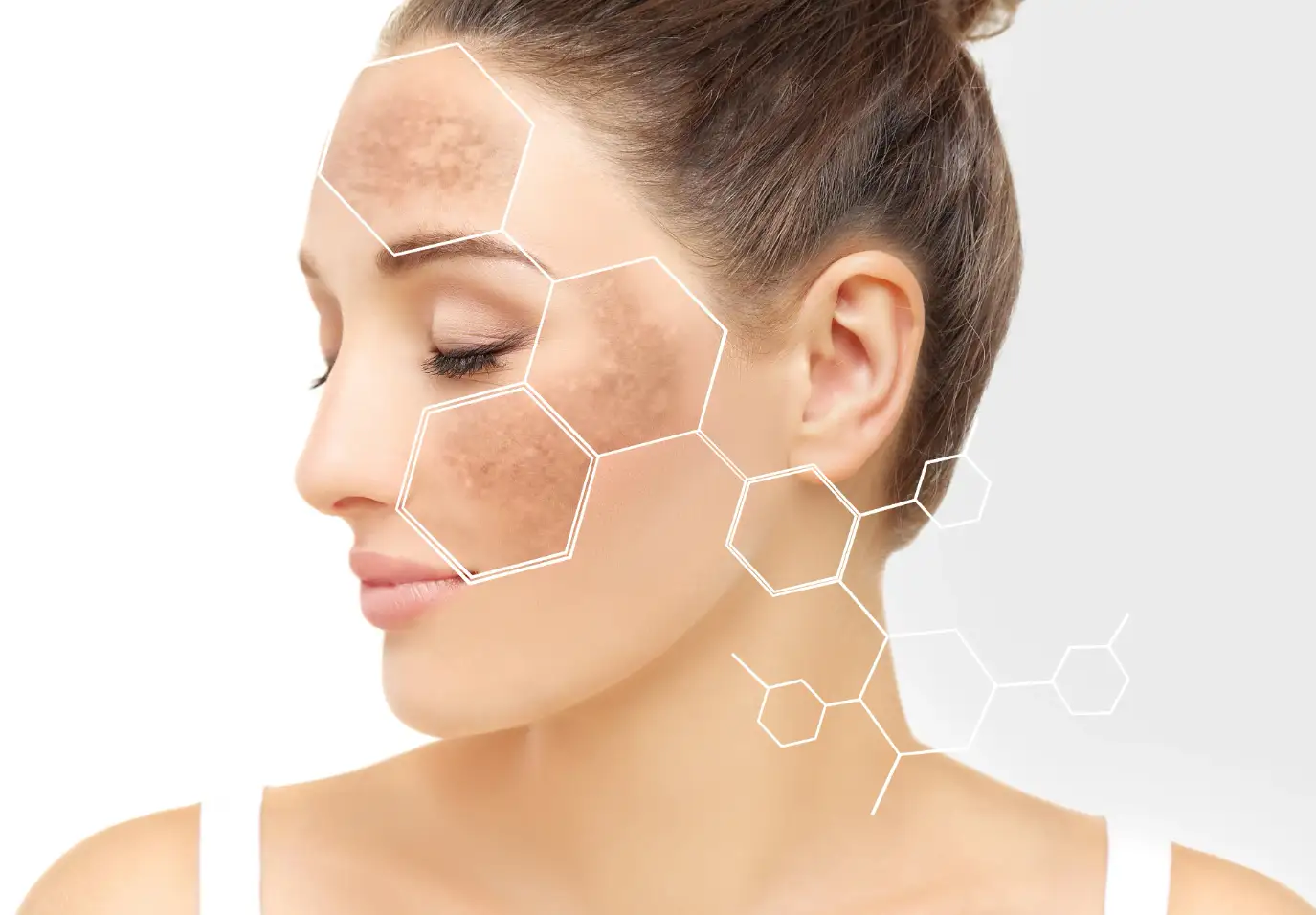
Melasma is a common skin condition characterized by symmetrical patches of dark pigmentation, often appearing on sun-exposed areas of the face particularly the cheeks, upper lip, nose bridge, and forehead.
Unlike freckles or age spots, melasma is deeply rooted in hormonal and cellular triggers, which makes it resistant to most over-the-counter creams and light-based treatments.
Melasma vs. Other Pigmentation

What Causes Melasma?
Hormonal Changes
Hormones are the leading cause of melasma. It’s most common in:
- Women who are pregnant (“the mask of pregnancy”)
- Those using birth control pills or hormone replacement therapy
- Individuals experiencing menopause or other hormonal fluctuations
Hormones stimulate melanocytes, the pigment-producing cells to overproduce melanin, especially when triggered by UV exposure.
Sun Exposure
Even small amounts of sunlight can activate melasma, making daily SPF protection critical for prevention and maintenance.
Genetics
If you have a family history of melasma, your skin may be more prone to developing it.
Heat & Light
Not just UV light visible and infrared light (from cooking, devices, etc.) can trigger melasma flare-ups.
Why PicoSure is the Superior Melasma Solution
At Serenity Rejuvenation Center, we take a different approach with PicoSure, a non-thermal laser system designed specifically for pigment conditions like melasma.
How PicoSure Works
PicoSure delivers trillionths-of-a-second bursts of energy to target melanin without using heat. The energy shatters pigment particles into microscopic fragments that are safely absorbed and cleared by your body.
The result?
No thermal damage to surrounding tissue
Minimal inflammation or post-treatment redness
Reduced risk of melasma rebound (a common issue with IPL)
PicoSure not only breaks up unwanted pigment but also stimulates collagen and elastin production, improving overall skin texture and radiance.
The PicoSure Melasma Treatment Process

Step 1: Consultation & Skin Analysis
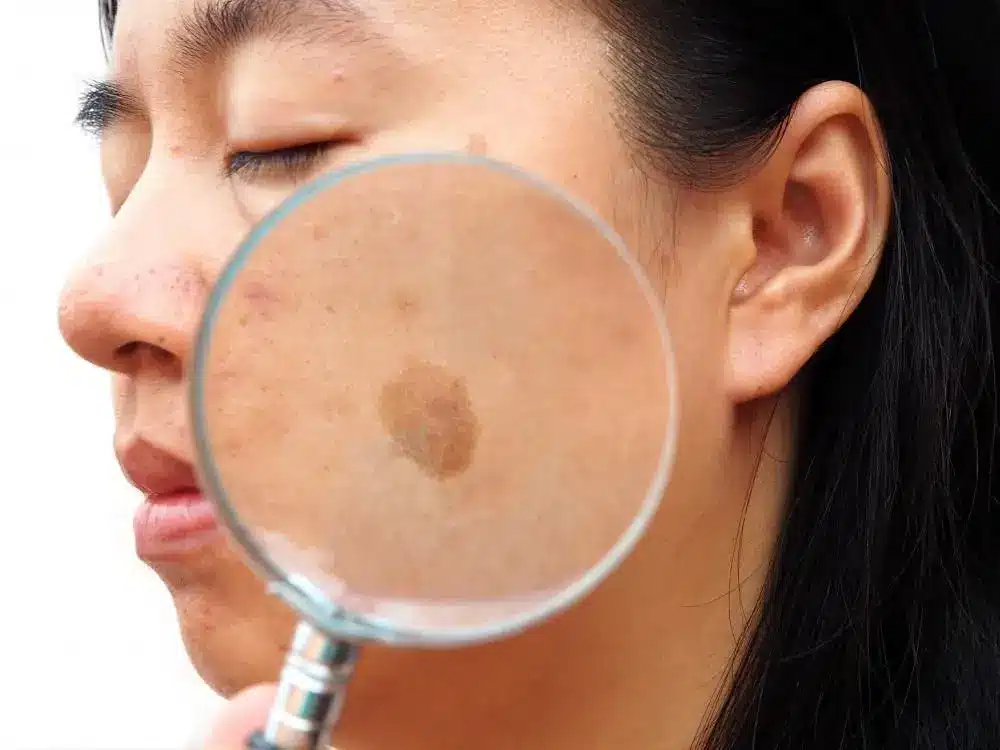
During your initial visit, Dr. O’Connell examines your skin under magnification to assess the depth and pattern of your melasma. This helps us design a customized PicoSure protocol for your specific skin tone and sensitivity.
Step 2: Treatment Session
Each session takes approximately 20–30 minutes. The PicoSure handpiece is moved gently over the affected areas. Most patients describe the sensation as a mild tingling or light snap—well tolerated without anesthesia.
Step 3: Aftercare
Following treatment, you may experience slight redness that fades within hours. You’ll be advised to:
- Avoid direct sunlight for 48 hours
- Use broad-spectrum SPF 30+ daily
- Apply soothing moisturizers or serums recommended by our team
Step 4: Results & Maintenance
Most patients begin noticing a brighter, more even skin tone after the first session, with significant improvement after 4–6 treatments, spaced 4–6 weeks apart.
Ongoing maintenance and sun protection are key to sustaining results.
PicoSure vs. IPL for Melasma
| Feature | PicoSure | IPL |
| Technology Type | Picosecond laser (ultra-short energy bursts) | Broad-spectrum light (heat-based) |
| Melasma Safety | ✅ Safe, non-thermal | ⚠️ Can worsen melasma |
| Precision | Targets melanin without harming skin | Less targeted; can affect nearby tissue |
| Recovery Time | Minimal to none | Possible redness or irritation |
| Results | Gradual, even fading | Uneven or temporary fading |
Why Choose Serenity Rejuvenation Center

Expertise
Dr. Stephen O’Connell is a leading provider of PicoSure in Seattle, known for his advanced understanding of laser physics and pigmentation management.
Customized Plans
Each melasma case is unique our plans include tailored laser settings, skincare guidance, and maintenance schedules.
Holistic Approach
We address internal and external triggers, combining laser therapy with medical-grade skincare to prevent recurrence.
Convenient Location
Serving Seattle, Bellevue, Redmond, and Kirkland, our clinic is easily accessible for ongoing treatment and follow-ups.
Real Patient Transformations


FAQs About Melasma Treatment with PicoSure
Who performs my treatment?
Dr. O’Connell personally performs every PicoSure treatment. He has treated pigment with PicoSure since 2014 and is a Cynosure Luminary provider.
Why does experience matter with melasma?
Pigment is rarely just one thing. Most patients have a blend – sun damage, benign spots, melasma – and each calls for a different strategy. Sun damage and benign spots often tolerate a more assertive approach and clear quickly. Melasma rewards patience: gentle, measured treatment, because overtreating can make it darker. Dr. O’Connell individualizes every session, adjusting spot size, energy, standard or fractionated (Focus) delivery, the fractional pattern, and the number of passes – usually a combination of all of them. That judgment, refined over more than a decade of PicoSure treatments, is the difference experience makes.
How many sessions will I need?
Most patients average about 3 treatments, spaced 4–6 weeks apart, followed by maintenance. Melasma varies a great deal from person to person – some patients respond beautifully, others more slowly – and we will be honest with you about how your skin is responding.
Is aftercare really necessary?
Yes. For melasma and pigment-prone skin, aftercare is mandatory, not optional: daily SPF plus a home regimen, preferably non-hydroquinone, such as Restoration Biophysics. Skipping aftercare is the most common reason melasma returns.
Will melasma come back?
It can. Melasma is largely genetic, and hormones and sun exposure trigger it. With consistent aftercare and periodic maintenance, most patients keep it well controlled.
Can you treat melasma on darker skin?
Yes, with conservative, customized settings. Darker skin is more prone to rebound pigment, so careful technique and aftercare matter even more.
Is there downtime?
Minimal. Mild redness usually fades within hours.
What if my melasma doesn't respond?
For stubborn melasma we offer Dermamelan®, a professional depigmentation treatment.
How do you track progress?
We take before-and-after photos at every visit and review them with you. See our PicoSure gallery.
How does PicoSure compare to chemical peels?
Peels can irritate melasma-prone skin. PicoSure treats pigment more precisely and with more control.
What does it cost?
A $150 consultation is credited toward your treatment. Text us at 425-644-5560.
Book Your Consultation
Your journey to clearer, more even skin begins here.
Experience the safe, gentle, and proven approach to melasma treatment with PicoSure at Serenity Rejuvenation Center.
Serving patients across Seattle, Bellevue, Redmond, Kirkland, and surrounding areas.
📞 Text 425-644-5560 or Book Online today.
About Dr. O’Connell
Dr. Stephen O’Connell has practiced medicine since 2004. He founded Serenity Rejuvenation Center in Bellevue in 2010.